Operational visibility platform
Connected demand, production, fulfillment, and delivery information so operational teams could understand the state of the system without checking multiple tools.
The work started with Lovepop's commerce experience, but the deeper challenge was operational: customer demand, manufacturing, fulfillment, and delivery were not connected clearly enough as the business scaled.
The work initially focused on the website and sales conversion: the product catalog, shopping cart, order placement, search and navigation, taxonomy, and the testing and validation needed to improve the commerce experience.
Lovepop operates a hybrid business combining e-commerce, manufacturing, and fulfillment operations. Each customer order triggers a chain of processes across multiple teams.
Marketing campaigns generated demand through the commercial website, while internal systems managed production, inventory, and fulfillment. Fragmented spreadsheets and legacy systems created operational blind spots, manual status checking, and coordination overhead.
Demand spikes made the gap more visible: marketing activity was not connected clearly enough to manufacturing capacity and the systems behind fulfillment.
My role sat across Product Management and Design. Some days that meant working through the customer experience; other days it meant mapping operational dependencies, clarifying priorities, or deciding which part of the system needed attention first.
I worked with Marketing, Operations, Engineering, and leadership to define what needed to be built and validate concepts before implementation. The important part was keeping those decisions connected. A change on the storefront could affect demand, production planning, inventory, fulfillment, or delivery further downstream.
From Manufacturing in Vietnam to Customer Delivery in the United States
Lovepop's global infrastructure connects manufacturing operations in Vietnam with multiple sales channels and distribution logistics across the United States. Redesigns focused on improving visibility and coordination in website orders and fulfillment operations.
Looking at the operation end to end made it easier to see where information stopped flowing, where teams relied on manual coordination, and where a product intervention could remove friction across more than one function.
I proposed expanding the scope beyond the website to unify the underlying operational systems, and the CTO and Head of Operations sponsored the direction. The work included mapping the full lifecycle from customer purchase to fulfillment, building a centralized dashboard for order flow, inventory availability, fulfillment queues, and production bottlenecks, and continuing to improve the website experience.
Connected demand, production, fulfillment, and delivery information so operational teams could understand the state of the system without checking multiple tools.
The rollout had to happen without interrupting the physical operation behind it, so the platform evolved incrementally rather than through a single large replacement.
Working closely with Marketing, we improved search, taxonomy, testing, and validation so the customer-facing experience could keep evolving alongside the operational platform.
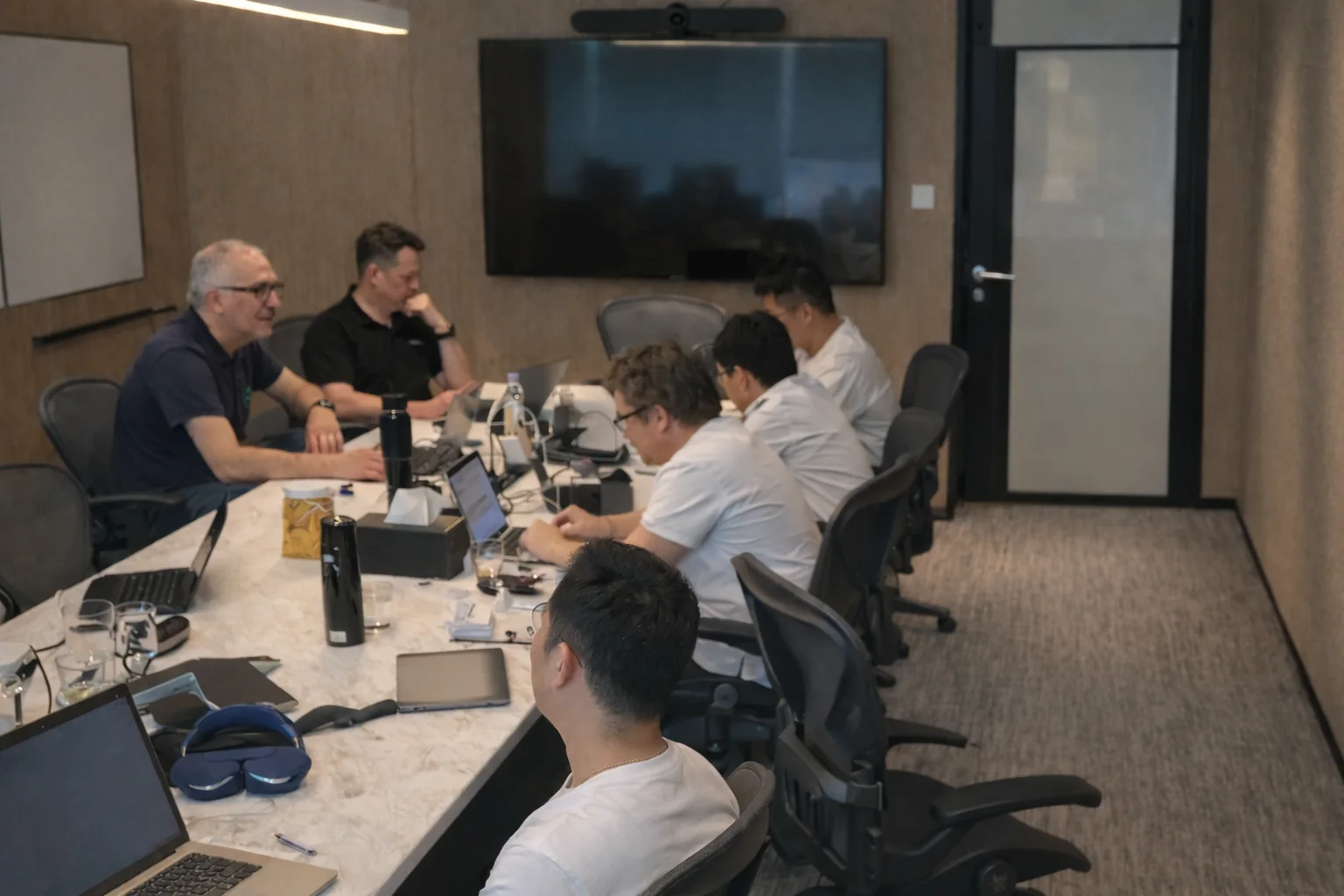
The work happened inside a running business, not in a clean redesign window. Commercial campaigns continued, operational teams still needed to deliver, and small product decisions had downstream effects.
Weekly reviews with the CEO, CMO, and Head of Operations helped keep decisions aligned as the business continued moving. The work was less about project-management ceremony and more about keeping cross-functional decisions coherent while priorities changed.
Conversion improved after continuous rollout and the introduction of the new search engine and vendor, fully implemented over four months. The CTO described the impact as significant and connected it to revenue.
Operations and forecasting teams later requested more improvements. Production teams at the factory and the procurement team followed the same pattern, asking technology to support more of their process.
Lovepop changed how I think about product scope.
A customer-facing problem can be only the visible end of a much larger system. Improving the experience meant understanding what happened before and after the screen: demand, production, inventory, fulfillment, and the people coordinating all of it.
Working across Product Management and Design made that connection much more explicit for me. The work was less about choosing between product thinking and design thinking, and more about using both to decide where the real problem was and what the business could realistically change next.